Category: Purchase

  • How To Buy Your First Home In 2026: A Step-By-Step Guide For First-Time Buyers

    How To Buy Your First Home In 2026: A Step-By-Step Guide For First-Time Buyers

    By Duc Pham, Licensed Mortgage Loan Officer

    NMLS #1518655

    Buying your first home in 2026 may feel overwhelming, but the process is easier when you know what to expect.

    Many first-time buyers think they need perfect credit, a huge down payment, or years of financial knowledge before they can buy a home. That is not always true.

    Most buyers succeed by preparing their finances early, understanding how mortgages work, and following a clear plan from start to finish.

    This guide explains each step of the homebuying process in plain English so you can move forward with more confidence and fewer surprises.

    If you are wondering how to buy your first home, the process becomes much easier when you break it into clear steps and prepare before you start house hunting.

    Start With Your Budget

    Before you look at homes, figure out how much you can realistically afford.

    A lender may approve you for a certain amount, but that does not mean you should spend that much. Your mortgage payment needs to fit your life, not stretch your budget to the limit.

    Take a close look at your income, monthly bills, savings goals, and other expenses. You should also think about future costs, such as home repairs, maintenance, and property taxes.

    Many lenders use a Debt-to-Income ratio, often called DTI. This compares your monthly debt payments to your monthly income. A lower DTI usually makes it easier to qualify for a mortgage.

    Starting with a budget helps you avoid falling in love with a home that is outside your comfort zone.

    Check Your Credit And Financial Health

    Your finances play a major role in the mortgage process.

    Lenders review your credit history, income, savings, employment, and existing debts when deciding whether to approve a loan. The stronger your financial profile, the more options you may have.

    Check your credit before applying. This gives you time to fix errors, pay down debt, or improve your credit score if needed.

    It is also smart to build an emergency fund. Owning a home comes with unexpected expenses, and having savings can make those situations easier to handle.

    A little preparation today can save a lot of stress later.

    Save For A Down Payment And Closing Costs

    Many first-time buyers believe they need 20% down to buy a home.

    That is one of the biggest myths in homeownership.

    Depending on the loan program, some buyers may qualify with as little as 3% to 5% down. Government-backed loan programs may offer additional options for eligible borrowers.

    However, the down payment is not the only cost you need to plan for.

    You may also need money for closing costs, inspections, moving expenses, and reserves after closing. These costs can add up quickly if you are not prepared.

    Knowing the full picture helps you create a more realistic savings goal.

    Get Pre-Approved Before House Hunting

    A mortgage pre-approval is one of the most important steps in the buying process.

    Pre-approval helps you understand how much you may be able to borrow. It also shows sellers that you are a serious buyer who has already started the financing process.

    To get pre-approved, lenders often ask for documents such as pay stubs, W-2s, tax returns, bank statements, and identification.

    Many buyers confuse pre-approval with pre-qualification.

    Pre-qualification is usually a basic estimate. Pre-approval involves a deeper review of your finances and carries more weight when you submit an offer.

    Getting pre-approved before you shop can save time and help you focus on homes within your budget.

    Compare Your Mortgage Options

    Not all mortgage loans work the same way.

    Different loan programs are designed for different types of borrowers. The best option depends on your credit profile, down payment, income, and long-term goals.

    Conventional loans are often used by buyers with strong credit and stable finances.

    FHA loans may offer more flexible qualification requirements for some borrowers.

    VA loans provide benefits for eligible veterans and military service members.

    USDA loans may help qualified buyers purchase homes in eligible rural areas.

    Instead of focusing only on interest rates, compare the total costs and features of each program before making a decision.

    Find A Home And Make An Offer

    Once you are pre-approved, you can start shopping for homes.

    A real estate agent can help you find properties, understand local market conditions, and negotiate with sellers.

    When you find a home you like, your agent can help prepare an offer based on current market conditions and comparable sales.

    Depending on the situation, negotiations may involve price, repairs, closing costs, or timelines.

    It can be tempting to stretch your budget when you find the perfect house. However, staying within your financial limits is usually the better long-term decision.

    Understand The Underwriting Process

    Underwriting is the lender’s final review before approving your loan.

    During this stage, the lender reviews your income, assets, debts, employment history, credit report, and information about the property.

    It is normal to receive requests for additional documents.

    Many buyers worry when they see underwriting conditions. In most cases, conditions simply mean the lender needs more information before moving forward.

    While your loan is being reviewed, try not to open new credit cards, buy a car, switch jobs, or make large bank deposits without talking to your lender first.

    Small financial changes can sometimes create delays.

    Prepare For Closing Day

    Closing is the final step before you become a homeowner.

    Before closing, you will usually complete a final walkthrough of the property. This gives you a chance to confirm that the home is in the expected condition.

    At closing, you will review and sign loan documents, pay any required closing costs, and complete the transfer of ownership.

    Once the paperwork is finalized and the loan funds, the home officially becomes yours.

    For many buyers, closing day feels like the end of the process.

    In reality, it is the beginning of your journey as a homeowner.

    Frequently Asked Questions

    How much money do I need to buy my first home?

    Many first-time buyers qualify with a down payment between 3% and 5%. You should also plan for closing costs, inspections, moving expenses, and emergency savings after you move in.

    What credit score do I need for a mortgage?

    Credit requirements vary by lender and loan program. Some programs have more flexible guidelines than others. Your overall financial profile is often just as important as your credit score.

    Is mortgage pre-approval required?

    Pre-approval is not legally required, but it is strongly recommended. It helps you understand your budget and can make your offer more attractive to sellers.

    How long does it take to get a mortgage?

    The timeline varies, but many home purchases take several weeks from application to closing. Delays often depend on documentation, underwriting, and market conditions.

    Should I choose an FHA loan or a Conventional loan?

    The right choice depends on your credit score, down payment, debt levels, and long-term goals. Compare the total costs and benefits of each option before deciding.

    Buying your first home in 2026 does not require perfect timing or perfect finances.

    The key is understanding the process before you begin. A strong budget, healthy savings, mortgage pre-approval, and realistic expectations can help you move through the process with confidence.

    The more prepared you are before making an offer, the smoother your path to homeownership will be.

    Learning how to buy your first home is less about perfect timing and more about understanding the process before you begin.

    Wonder Rates NMLS #1518655. Equal Housing Lender. This is not a commitment to lend. Rates and terms are subject to change without notice. Subject to credit approval. Information provided is for educational purposes only.
  • Why Underwriters Read Your Bank Statements Line By Line: Large Deposits, Seasoned Funds, And The Paper Trail

    Why Underwriters Read Your Bank Statements Line By Line: Large Deposits, Seasoned Funds, And The Paper Trail

    Most buyers think bank statements have one job: proving they have enough money for a down payment.

    That is only part of the story.

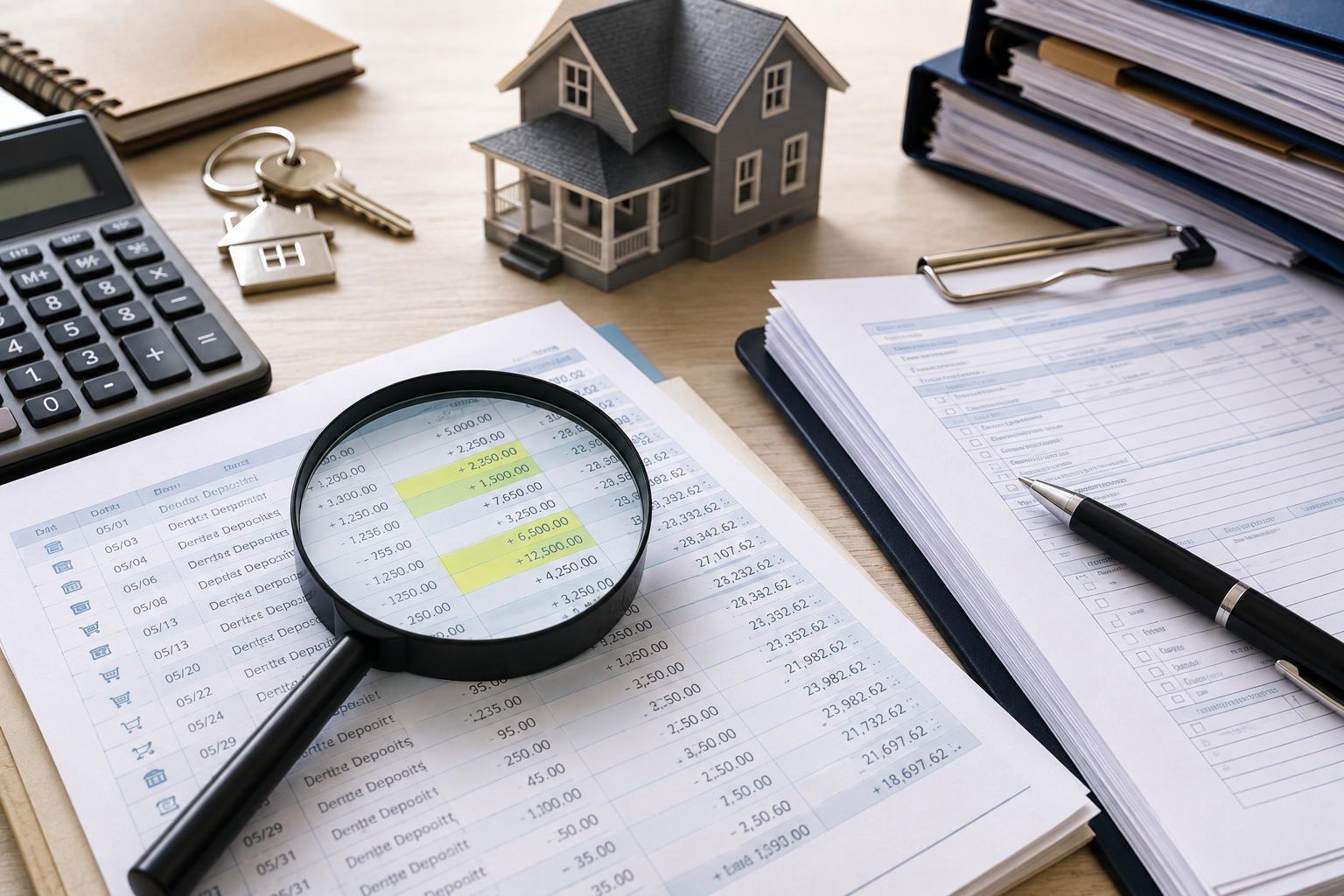
    When your loan file reaches an underwriter (the person who reviews and approves loan files), the focus often shifts from how much money you have to where that money came from.

    A borrower may have enough money to close and still receive extra questions because of a deposit made weeks earlier.

    NMLS# 1518655

    Why The Source Of Money Matters

    Lenders must make sure the money used for a home purchase is real, documented, and consistent with the loan file.

    The concern is usually not the account balance itself.

    The concern is whether a deposit came from a gift, a transfer, the sale of an asset, or a loan that has not been disclosed.

    For example, imagine a borrower receives $10,000 from a friend and plans to pay it back later.

    That repayment could affect the borrower’s Debt-to-Income (DTI) ratio, which compares monthly debt to monthly income.

    Without documents, the lender has no way to know what happened.

    That is why a paper trail matters.

    What Are Seasoned Funds?

    One common mortgage term is seasoned funds.

    Seasoned funds are money that has been in your account long enough that the lender usually does not need to ask where it came from.

    Most lenders review the two most recent monthly bank statements. Because of that, funds already in the account before that review period are often considered seasoned.

    A common guideline is about 60 days, although rules can vary by lender and loan program.

    For buyers planning to apply within the next few months, moving money shortly before applying may create extra questions.

    What Counts As A Large Deposit?

    A large deposit is a deposit that looks unusual compared with your income.

    For many Conventional loans, lenders may review deposits that are more than about 50% of your qualifying monthly income. FHA loans often use a similar approach.

    Simple Example

    Assumptions

    • Gross monthly income: $8,000
    • Review threshold: about $4,000

    If a non-payroll deposit of $5,000 appears in the account, the lender may ask where it came from and request supporting documents.

    The exact threshold can vary by lender, but the principle is the same: unusual deposits often need documentation.

    Why Cash On Hand Can Create Problems

    Many buyers keep some savings in cash and assume it will be treated the same as money already sitting in a bank account.

    The challenge is proof.

    Cash on hand does not create a clear record showing where the money came from or when it was saved.

    Because of that, cash on hand is generally not considered an acceptable source of funds under standard mortgage guidelines.

    A large cash deposit made shortly before applying can create additional questions instead of solving them.

    For buyers planning to purchase a home, keeping funds in documented accounts ahead of time is usually easier than explaining a large cash deposit later.

    A Simple Paper Trail Framework

    When a lender asks about a deposit, the goal is simple: connect the money to supporting documents.

    Think about it this way:

    Money In → Explanation → Proof

    Common examples include:

    • Gift funds → Gift letter + transfer records
    • Vehicle sale → Bill of sale + proof of deposit
    • Account transfer → Statements from both accounts

    The clearer the paper trail, the easier it is for the lender to verify the funds.

    Most Conditions Mean Something Is Missing

    Many buyers worry when they receive an underwriting condition.

    In many cases, a condition simply means more information is needed.

    An unexplained deposit, a missing statement, or an undocumented transfer can all lead to follow-up questions.

    A clear Letter of Explanation (LOE) and the right supporting documents often solve the issue faster than sending information one piece at a time.

    Three Questions To Ask Before Applying

    Before you submit a mortgage application, review your recent bank statements and ask yourself:

    1. Are there any large deposits that may need an explanation?
    2. Do I have documents for gifts, transfers, or asset sales?
    3. Are my down payment funds already seasoned?

    Answering these questions before underwriting begins may help reduce delays later.

    Bottom Line

    Most buyers focus on how much money is in their account.

    Underwriters focus on where that money came from.

    That is why bank statements are reviewed line by line.

    A strong file is not just a file with enough money. It is a file with a clear paper trail behind every important deposit.

    Understanding seasoned funds, large deposits, cash on hand, and documentation requirements can help you prepare before underwriting starts.

    If you would like to discuss documentation requirements for your situation, speak with a licensed Wonder Rates loan officer. No pressure, just clarity.

    DISCLAIMER: Wonder Rates NMLS# 1518655. Equal Housing Lender. This is not a commitment to lend. Rates and terms subject to change. Subject to credit approval. Information is for educational purposes only.

  • Your Rate Lock Is a Clock. Here Is What Happens When It Runs Out

    Your Rate Lock Is a Clock. Here Is What Happens When It Runs Out

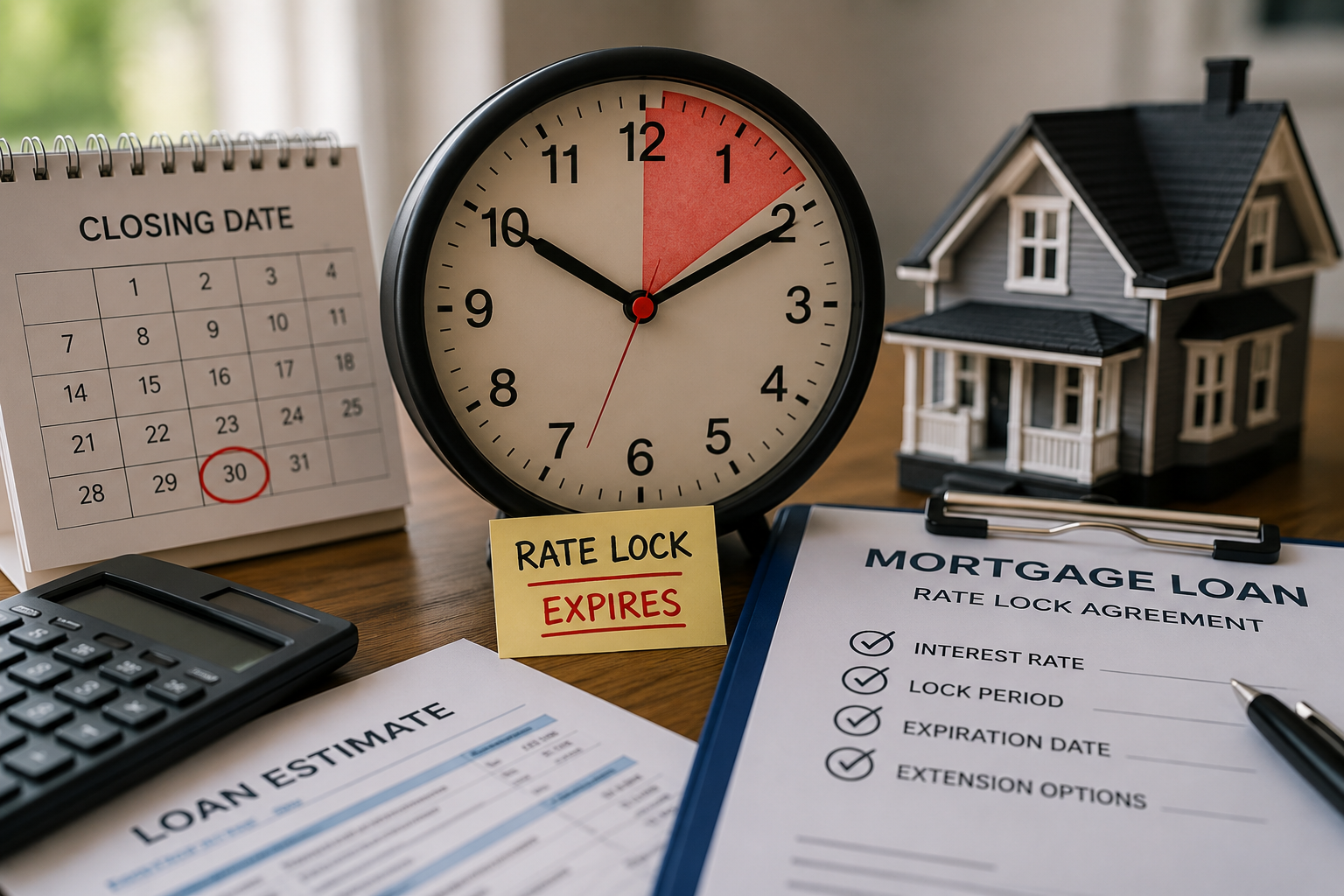
    Rate lock expiration is something many homebuyers never think about until closing gets delayed.

    Most people think a rate lock works like a receipt. You lock the rate, the rate is yours, and the story is over.

    The part most explainers skip is that a rate lock has an expiration date. If closing gets delayed, that date suddenly matters.

    Why Closing Delays Matter More Than Most Buyers Expect

    A 30-day lock often sounds like plenty of time.

    In reality, your closing timeline depends on several moving parts. An appraisal can come back late. A title issue can take longer than expected to resolve. Underwriting may request additional documentation. New construction timelines can shift.

    None of these automatically creates a problem. The challenge is that a shorter lock leaves less room for unexpected delays.

    That does not mean a 30-day lock is wrong. It means timeline risk is part of the decision.

    Rate Lock Expiration: What Happens When a Lock Expires?

    If your lock expires before closing, one of two things usually happens.

    The first possibility is a lock extension. Your lender agrees to extend the lock period, usually for a fee.

    Extension pricing is not standardized. Costs vary by lender, market conditions, loan type, and extension length. A commonly cited range is approximately 0.125 to 0.25 discount points per extension period, or roughly 0.02% to 0.05% of the loan amount per day, though actual pricing can differ significantly.

    All fee examples in this article are illustrative. Confirm current lock and extension pricing with your Loan Officer.

    The second possibility is that the loan must be repriced using current market conditions. If rates increased during the delay, the new pricing may be less favorable than the original lock.

    Two Buyers, Two Different Risks

    Imagine two buyers purchasing similar homes.

    One pays more upfront for a longer lock. The other chooses a shorter lock with lower upfront cost.

    Neither choice is automatically right or wrong. One buys additional time, while the other accepts more timeline risk.

    A Simple Cost Comparison

    Illustrative example only. Actual pricing varies based on credit profile, LTV, lender guidelines, and market conditions.

    Assumptions

    • Loan amount: $400,000
    • Loan term: 30-year fixed
    • Reference rate: 6.48% from Freddie Mac’s Primary Mortgage Market Survey (PMMS), week ending June 4, 2026
    • Lock options: 30 days, 45 days, and 60 days
    • Illustrative pricing: 30-day lock included in standard pricing, 45-day lock adds approximately 0.125 point, 60-day lock adds approximately 0.25 point.

    The 6.48% figure is a note rate from Freddie Mac PMMS for the week ending June 4, 2026. APR differs because it includes certain fees and financing costs and will be disclosed in your Loan Estimate.

    Lock Period Illustrative Cost
    30 days $0
    45 days ~$500
    60 days ~$1,000

    Now compare that with a delayed closing.

    If a 30-day lock requires an extension, the extension cost alone could fall within a range similar to the additional upfront cost of selecting a longer lock from the outset.

    There is also rate risk. Using the same $400,000 loan example, an increase of 0.25% in the interest rate would raise the principal-and-interest payment by roughly $66 per month. Over five years, that difference adds up to nearly $4,000.

    What this means for you: the important question is not simply, “How much does a longer lock cost?” A more useful question is, “What could it cost if my timeline runs longer than expected?”

    Who Pays the Extension Fee?

    The answer depends on the reason for the delay.

    If closing is delayed because documents arrive late, financial information changes, or additional borrower conditions must be satisfied, the borrower often bears the extension cost.

    If the delay comes from lender-side processing issues or operational errors, the lender may choose to absorb some or all of the expense. Policies vary, and there is no universal rule.

    A Framework for Thinking About Lock Length

    Rather than asking whether a 30-day, 45-day, or 60-day lock is “better,” consider two questions.

    1. How much timeline uncertainty exists?

    A straightforward purchase with clean documentation may have relatively little uncertainty. A new construction property, a complex income profile, or unresolved title issues may create more.

    2. What is the cost of being wrong?

    Compare the additional upfront cost of a longer lock with the potential cost of an extension and the possibility of less favorable pricing if the lock expires.

    It helps you understand the trade-off.

    Three Questions Worth Asking Before You Lock

    1. What are the current extension fees for my loan amount and lock period?
    2. What delays are most common for transactions like mine?
    3. If a delay occurs on the lender’s side, how are extension costs typically handled?

    Your Loan Officer can help you compare the costs and trade-offs using your actual timeline and loan scenario.

    A rate lock sets a deadline as much as it sets a rate. The real decision is not whether rates will move up or down. It is how much timeline risk you are willing to carry into closing. Start by understanding the costs attached to both a longer lock and a potential extension. That is often more useful than trying to predict the market.

    Every transaction has a different timeline and risk profile. If you would like to compare scenarios using your own numbers, speak with a licensed Wonder Rates loan officer at wonderrates.com/contact. No pressure, just clarity.

    DISCLAIMER: Wonder Rates NMLS# 1518655. Equal Housing Lender. This is not a commitment to lend. Rates and terms subject to change. Subject to credit approval. Information is for educational purposes only.

  • 10-Step Home Buying Process for First-Time Buyers

    10-Step Home Buying Process for First-Time Buyers

    Learn the 10-step home buying process for first-time buyers in the US. Understand timelines, key players, and what to expect at every stage.

    NMLS#: 1518655

    Buying your first home in the US can feel confusing when every step sounds new and high-stakes.

    If you’re not sure where to start or how long it takes, you’re not alone. Most first-time buyers go through the same questions. This guide breaks the process into 10 clear steps, so you know what happens, who is involved, and how to move forward with confidence. Understanding the home buying process helps first-time buyers avoid surprises.

    Timeline at a glance (10 steps)

    • Budget planning: 1 to 2 days
    • Pre-approval: 1 to 3 days
    • Find a real estate agent: 1 to 3 days
    • House hunting: 1 to 8 weeks
    • Make an offer: 1 to 3 days
    • Under contract: 1 to 2 days
    • Open escrow, title, and earnest money: 1 to 3 days
    • Home inspection: 3 to 7 days
    • Appraisal (ordered by lender): 3 to 7 days
    • Underwriting to clear to close and closing: 2 to 3 weeks

    Estimated total timeline: 3 to 6 months Contract to closing: 30 to 45 days (according to NAR)

    Home Buying Process: The 10 Steps to Buy a Home

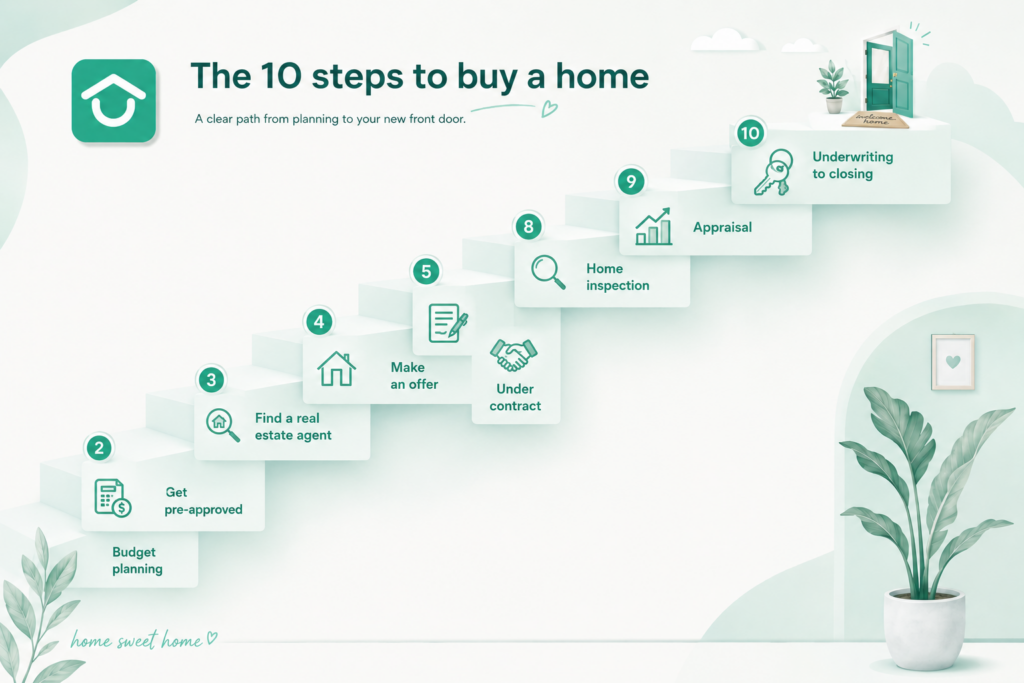
    Infographic showing the 10 steps to buy a home, from budget planning and pre-approval to closing.


    1. Budget planning

    Who: You, lender

    Time: 1 to 2 days

    You start by reviewing your income, debt, and savings. A lender estimates your monthly payment using PITI, which includes principal, interest, taxes, and insurance.

    Tip: Focus on monthly affordability, not just the home price.

    2. Get pre-approved

    Who: You, lender

    Time: 1 to 3 days

    The lender reviews your credit, income, and debt to issue a pre-approval letter. This shows sellers you are serious and ready. If you’re not familiar with mortgage basics, understanding how mortgages work can make the pre-approval process much easier.

    Tip: Avoid big purchases during this stage to keep your profile stable.

    3. Find a real estate agent

    Who: You, real estate agent

    Time: 1 to 3 days

    Your agent helps you find homes, schedule tours, and guide negotiations. They also explain local market conditions.

    Tip: Choose someone responsive and experienced with first-time buyers.

    4. Start house hunting

    Who: You, agent

    Time: 1 to 8 weeks

    You visit homes that match your needs, budget, and location. You compare options before making a decision.

    Tip: Prioritize must-haves over nice-to-haves to avoid decision fatigue.

    House hunting illustration with a for-sale home

    5. Make an offer

    Who: You, agent, seller

    Time: 1 to 3 days

    You submit an offer that includes price and contingencies, such as inspection and financing.

    Tip: A strong but realistic offer can improve your chances in a competitive market.

    6. Under contract

    Who: You, seller, agent

    Time: 1 to 2 days

    Once the seller accepts your offer, both sides agree on terms. The deal moves forward but is not final yet.

    Tip: Read your contract carefully so you understand all deadlines.

    7. Open escrow and title

    Who: You, escrow company, title company

    Time: 1 to 3 days

    A third party holds funds and documents. You deposit earnest money, usually 1% to 3% of the home price. A title search checks for ownership issues.

    Tip: Earnest money can later be applied toward your down payment.

    8. Home inspection

    Who: You, home inspector

    Time: 3 to 7 days

    You hire an inspector to evaluate the home’s condition. This helps you uncover issues before closing.

    Tip: Use inspection results to renegotiate or request repairs if needed.

    9. Appraisal

    Who: Lender, appraiser

    Time: 3 to 7 days

    The lender orders an appraisal to confirm the home’s value. This protects both you and the lender.

    Tip: A low appraisal does not end the deal, but you may need to renegotiate.

    10. Underwriting to closing

    Who: Lender, underwriter, you, seller

    Time: 2 to 3 weeks

    The lender reviews all documents. If approved, you receive clear to close. At closing, you sign the loan documents, and the seller signs the deed.

    Tip: Do not change jobs or open new credit before closing.

    Common mistakes to avoid

    Understanding the home buying process can help you avoid costly mistakes. Many first-time buyers confuse pre-qualification with pre-approval, which can weaken their offer. Others underestimate total costs, including taxes, insurance, and closing fees. Some skip inspection contingencies to win deals, which can lead to costly repairs later. Another common issue is misunderstanding roles. The buyer does not sign the deed at closing, and appraisal is ordered by the lender, not the buyer. Knowing these details helps you avoid delays and surprises.

    How to take action

    The home buying process becomes much easier when you follow a clear checklist. Start by talking to a lender early to understand your budget and loan options. Then, work with a real estate agent who knows your local market. Build a clear checklist for each step and track deadlines carefully.

    Most importantly, take your time to understand each stage. Buying a home is a major decision, and being informed helps you avoid stress and make better choices.

    first-time home buying process and mortgage paperwork

    Bottom line

    While the home buying process may seem complex at first, knowing each step helps you move forward confidently.

    Want to see what you can afford? Talk to a licensed loan officer to explore your options.

    Home Buying Process FAQs

    How long does the home buying process take?

    The process typically takes 3 to 6 months, depending on your financial readiness and local market conditions.

    What is the first step in the home buying process?

    Most buyers start by reviewing their budget and obtaining a mortgage pre-approval.

    Do I need a real estate agent to buy a home?

    While not required, an experienced agent can help navigate negotiations, contracts, and local market conditions.

    DISCLAIMER:

    Wonder Rates NMLS# 1518655. Equal Housing Lender. Information is for educational purposes only and is not a commitment to lend.