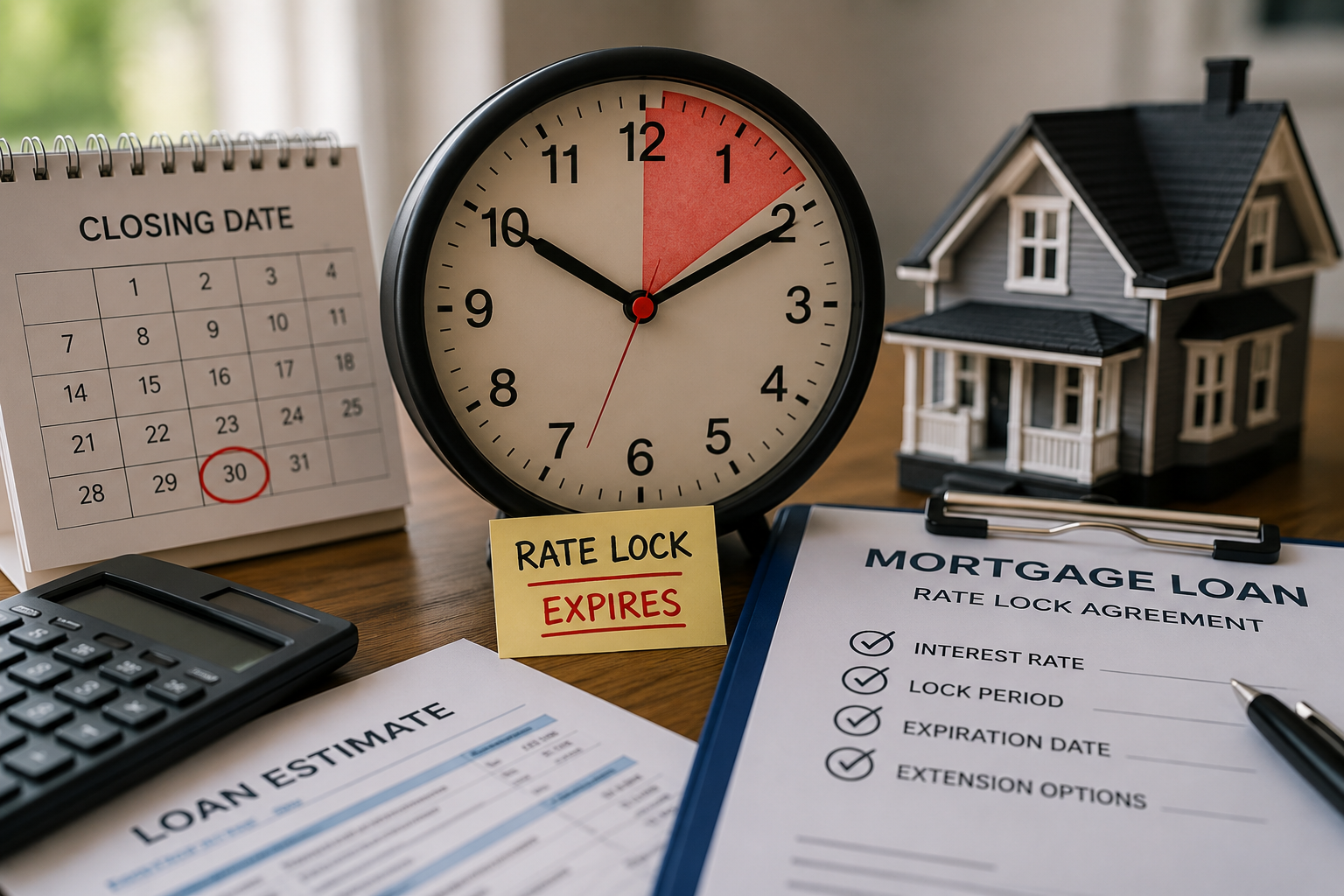
Rate lock expiration is something many homebuyers never think about until closing gets delayed.
Most people think a rate lock works like a receipt. You lock the rate, the rate is yours, and the story is over.
The part most explainers skip is that a rate lock has an expiration date. If closing gets delayed, that date suddenly matters.
Why Closing Delays Matter More Than Most Buyers Expect
A 30-day lock often sounds like plenty of time.
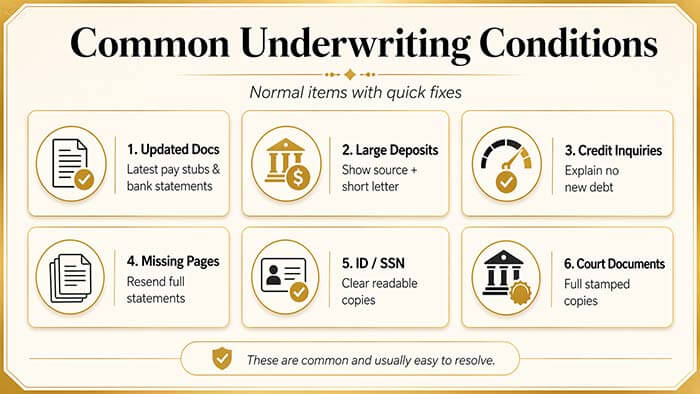
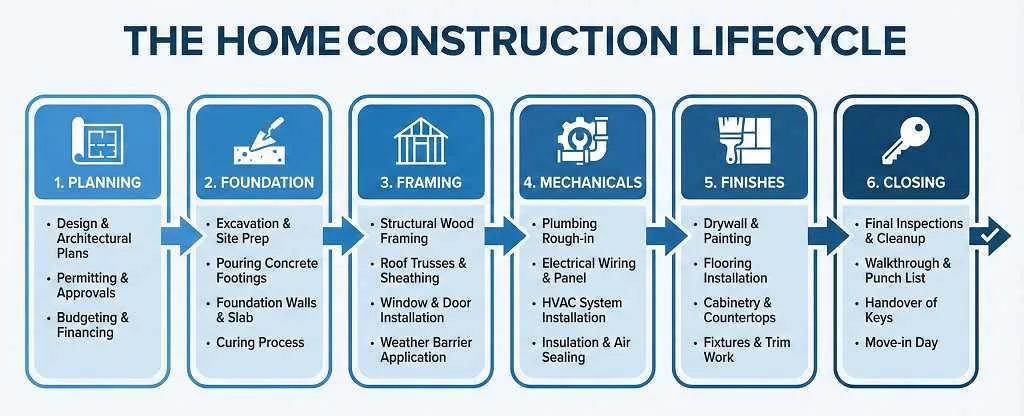
In reality, your closing timeline depends on several moving parts. An appraisal can come back late. A title issue can take longer than expected to resolve. Underwriting may request additional documentation. New construction timelines can shift.
None of these automatically creates a problem. The challenge is that a shorter lock leaves less room for unexpected delays.
That does not mean a 30-day lock is wrong. It means timeline risk is part of the decision.
Rate Lock Expiration: What Happens When a Lock Expires?
If your lock expires before closing, one of two things usually happens.
The first possibility is a lock extension. Your lender agrees to extend the lock period, usually for a fee.
Extension pricing is not standardized. Costs vary by lender, market conditions, loan type, and extension length. A commonly cited range is approximately 0.125 to 0.25 discount points per extension period, or roughly 0.02% to 0.05% of the loan amount per day, though actual pricing can differ significantly.
All fee examples in this article are illustrative. Confirm current lock and extension pricing with your Loan Officer.
The second possibility is that the loan must be repriced using current market conditions. If rates increased during the delay, the new pricing may be less favorable than the original lock.
Two Buyers, Two Different Risks
Imagine two buyers purchasing similar homes.
One pays more upfront for a longer lock. The other chooses a shorter lock with lower upfront cost.
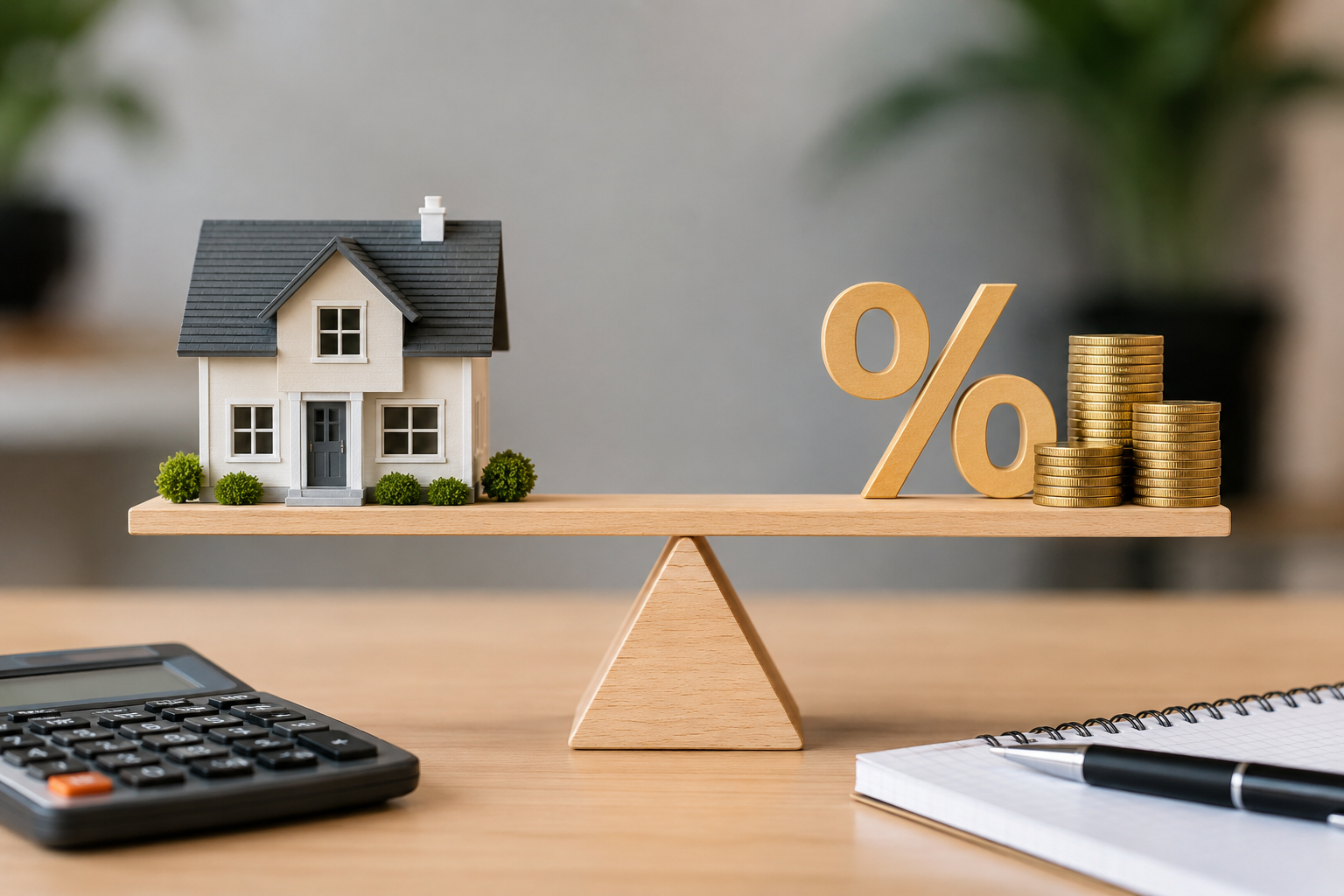
Neither choice is automatically right or wrong. One buys additional time, while the other accepts more timeline risk.

A Simple Cost Comparison
Illustrative example only. Actual pricing varies based on credit profile, LTV, lender guidelines, and market conditions.
Assumptions
- Loan amount: $400,000
- Loan term: 30-year fixed
- Reference rate: 6.48% from Freddie Mac’s Primary Mortgage Market Survey (PMMS), week ending June 4, 2026
- Lock options: 30 days, 45 days, and 60 days
- Illustrative pricing: 30-day lock included in standard pricing, 45-day lock adds approximately 0.125 point, 60-day lock adds approximately 0.25 point.
The 6.48% figure is a note rate from Freddie Mac PMMS for the week ending June 4, 2026. APR differs because it includes certain fees and financing costs and will be disclosed in your Loan Estimate.
| Lock Period | Illustrative Cost |
|---|---|
| 30 days | $0 |
| 45 days | ~$500 |
| 60 days | ~$1,000 |
Now compare that with a delayed closing.
If a 30-day lock requires an extension, the extension cost alone could fall within a range similar to the additional upfront cost of selecting a longer lock from the outset.
There is also rate risk. Using the same $400,000 loan example, an increase of 0.25% in the interest rate would raise the principal-and-interest payment by roughly $66 per month. Over five years, that difference adds up to nearly $4,000.
What this means for you: the important question is not simply, “How much does a longer lock cost?” A more useful question is, “What could it cost if my timeline runs longer than expected?”
Who Pays the Extension Fee?
The answer depends on the reason for the delay.
If closing is delayed because documents arrive late, financial information changes, or additional borrower conditions must be satisfied, the borrower often bears the extension cost.
If the delay comes from lender-side processing issues or operational errors, the lender may choose to absorb some or all of the expense. Policies vary, and there is no universal rule.
A Framework for Thinking About Lock Length
Rather than asking whether a 30-day, 45-day, or 60-day lock is “better,” consider two questions.
1. How much timeline uncertainty exists?
A straightforward purchase with clean documentation may have relatively little uncertainty. A new construction property, a complex income profile, or unresolved title issues may create more.
2. What is the cost of being wrong?
Compare the additional upfront cost of a longer lock with the potential cost of an extension and the possibility of less favorable pricing if the lock expires.
It helps you understand the trade-off.
Three Questions Worth Asking Before You Lock
- What are the current extension fees for my loan amount and lock period?
- What delays are most common for transactions like mine?
- If a delay occurs on the lender’s side, how are extension costs typically handled?
Your Loan Officer can help you compare the costs and trade-offs using your actual timeline and loan scenario.
A rate lock sets a deadline as much as it sets a rate. The real decision is not whether rates will move up or down. It is how much timeline risk you are willing to carry into closing. Start by understanding the costs attached to both a longer lock and a potential extension. That is often more useful than trying to predict the market.
Every transaction has a different timeline and risk profile. If you would like to compare scenarios using your own numbers, speak with a licensed Wonder Rates loan officer at wonderrates.com/contact. No pressure, just clarity.
DISCLAIMER: Wonder Rates NMLS# 1518655. Equal Housing Lender. This is not a commitment to lend. Rates and terms subject to change. Subject to credit approval. Information is for educational purposes only.