Category: Information

  • 10 bước mua nhà tại Mỹ có thể bạn sẽ cần

    10 bước mua nhà tại Mỹ có thể bạn sẽ cần

    Hầu hết người mua đều biết mình cần khoản vay mua nhà, nhưng không phải ai cũng hiểu rõ chuyện gì xảy ra từ lúc được pre-approval cho đến khi nhận chìa khóa. Follow Wonder Rates để khám phá 10 bước quan trọng mà bất kỳ người mua nhà nào cũng nên biết trước khi closing.

    NMLS #1518655 

    mua-nha-tai-my
    10 bước mua nhà tại Mỹ có thể bạn sẽ cần

    Quy trình mua nhà tại Mỹ là gì?

    Quy trình mua nhà là chuỗi các bước đưa bạn từ lúc quyết định mua nhà cho đến khi nhận chìa khóa vào ngày closing. Dù mỗi giao dịch sẽ khác nhau, nhưng đa số đều đi theo một lộ trình chung. Trong suốt quá trình này, bạn sẽ làm việc với môi giới bất động sản, chuyên viên vay mua nhà, người thẩm định giá, đơn vị kiểm tra nhà và công ty title. Hiểu rõ từng bước sẽ giúp bạn dễ theo dõi hơn và giảm bớt căng thẳng trong quá trình mua nhà.

    Mua nhà ở Mỹ mất bao lâu?

    Ở Mỹ, quy trình mua nhà thường mất khoảng 30–45 ngày tính từ lúc offer được chấp nhận đến khi closing và bạn nhận chìa khóa.

    Nhưng thực tế có thể lâu hơn, tùy vào việc bạn chuẩn bị và tìm nhà nhanh hay chậm. Quy trình thường chia làm 2 giai đoạn:

    mua-nha-tai-my
    Mua nhà tại Mỹ mất bao lâu?

    1. Trước khi đặt offer (thời gian linh hoạt)

    Đây là giai đoạn chuẩn bị:

    • Bạn xác định ngân sách để biết mình thực sự mua được mức nào (không chỉ giá nhà, mà cả thuế và bảo hiểm)
    • Bạn xin pre-approval từ ngân hàng để chứng minh bạn đủ điều kiện vay
    • Bạn bắt đầu đi xem nhà, chọn căn phù hợp với nhu cầu

    2. Sau khi offer được chấp nhận (30–45 ngày)

    Khi seller đồng ý offer, nhà sẽ chuyển sang trạng thái “under contract” và mọi thứ diễn ra nhanh hơn:

    • Bạn đặt tiền earnest money vào tài khoản escrow
    • Bạn làm inspection để kiểm tra tình trạng nhà
    • Ngân hàng làm appraisal để xác định giá trị căn nhà
    • Tiếp theo là underwriting, ngân hàng xem xét toàn bộ hồ sơ vay
    • Cuối cùng là closing: bạn ký giấy tờ, khoản vay được giải ngân và nhận nhà

    Điều gì có thể làm chậm tiến độ?

    Một vài lý do phổ biến:

    • Nhà được định giá thấp hơn giá mua
    • Ngân hàng yêu cầu bổ sung thêm giấy tờ
    • Quá trình xử lý hồ sơ bị chậm

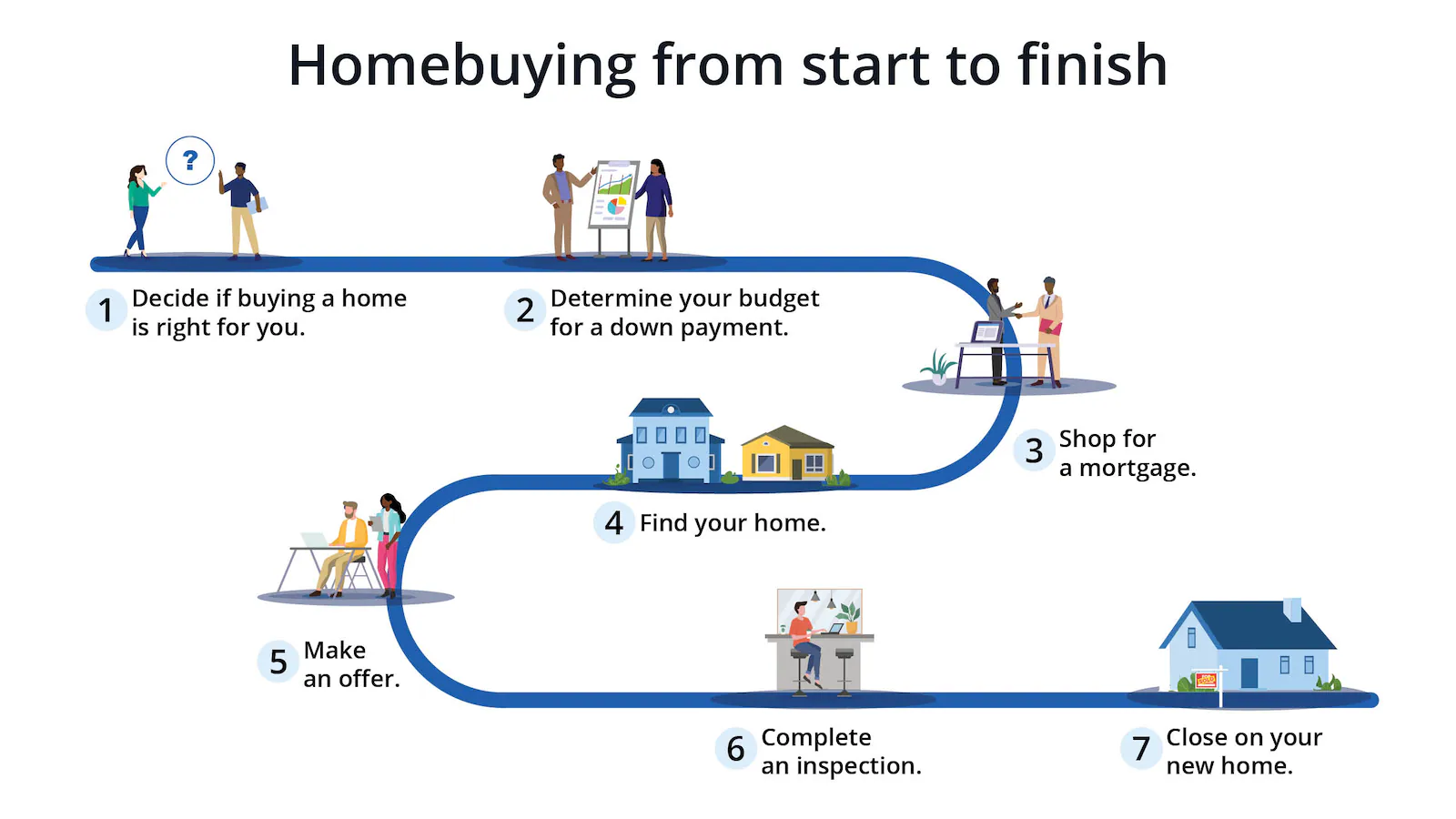
    10 bước mua nhà tại Mỹ

    Mua nhà nghe có vẻ phức tạp, nhưng thực tế đa số giao dịch đều đi theo một quy trình khá rõ ràng. Từ việc xác định ngân sách đến ký giấy tờ cuối cùng, mỗi bước đều giúp bạn tiến gần hơn đến việc sở hữu nhà. Dưới đây là 10 bước cơ bản khi mua nhà ở Mỹ.

    Bước Điều gì xảy ra
    1. Xác định ngân sách Kiểm tra thu nhập, tiết kiệm, nợ và chi phí hàng tháng để biết bạn có thể mua nhà ở mức nào.
    2. Xin pre-approval vay mua nhà Ngân hàng xem xét tài chính của bạn và cấp thư pre-approval cho biết bạn có thể vay bao nhiêu.
    3. Chọn môi giới bất động sản Môi giới giúp bạn tìm nhà, thương lượng và hướng dẫn trong quá trình mua.
    4. Bắt đầu tìm nhà Tìm những căn phù hợp với ngân sách, vị trí và nhu cầu của bạn.
    5. Gửi offer Làm việc với môi giới để đưa ra đề nghị mua nhà gửi cho người bán.
    6. Mở escrow và đặt cọc earnest money Khi offer được chấp nhận, bạn đặt cọc và mở escrow để bắt đầu giao dịch.
    7. Kiểm tra nhà (inspection) Người kiểm định xem tình trạng căn nhà và phát hiện các vấn đề nếu có.
    8. Thẩm định giá (appraisal) Ngân hàng kiểm tra giá trị thực của căn nhà.
    9. Underwriting Ngân hàng xem xét toàn bộ hồ sơ tài chính trước khi phê duyệt cuối cùng.
    10. Nhận “clear to close” và closing Ký giấy tờ cuối cùng, hoàn tất giải ngân và chính thức trở thành chủ nhà.

    Những lỗi phổ biến người mua nhà hay gặp

    Dù hiểu quy trình, nhiều người vẫn dễ gặp sai lầm khiến quá trình bị chậm hoặc phát sinh chi phí. Dưới đây là những lỗi quan trọng cần tránh:

    mua-nha-tai-my
    Những lỗi phổ biến người mua nhà hay gặp

    Quên tính thuế và bảo hiểm nhà

    • Nhiều người chỉ tính tiền gốc và lãi
    • Bạn nên tính theo PITI (gốc, lãi, thuế, bảo hiểm) để biết chi phí thật

    Nhầm earnest money với down payment

    • Earnest money là tiền đặt cọc sau khi offer được chấp nhận
    • Down payment là khoản tiền lớn hơn trả lúc closing

    Nhầm PMI và MIP

    • PMI áp dụng cho khoản vay thông thường khi trả trước dưới 20%
    • MIP áp dụng cho FHA loan

    Làm sai thứ tự inspection và appraisal

    • Inspection thường làm trước để kiểm tra nhà
    • Sau đó ngân hàng mới làm appraisal để định giá

    Bỏ qua title search

    • Title search giúp kiểm tra tranh chấp, nợ hoặc vấn đề pháp lý của nhà
    • Bỏ qua bước này có thể gây rủi ro lớn

    Không hiểu giấy tờ closing

    • Buyer ký NoteMortgage
    • Seller ký Deed để chuyển quyền sở hữu

    Cách bắt đầu

    Bạn nên bắt đầu bằng việc xem lại tài chính và hiểu rõ mình có thể mua nhà ở mức nào. Trước khi đi tìm nhà, hãy xin pre-approval để biết ngân sách rõ ràng và tăng sức mạnh khi đi offer.

    Bạn cũng nên làm việc với những người có kinh nghiệm như môi giới và chuyên viên vay. Nếu bạn cần hướng dẫn về khoản vay, điều kiện vay hoặc toàn bộ quy trình mua nhà, bạn có thể làm việc với một đơn vị uy tín như Wonder Rates. Có đội ngũ phù hợp sẽ giúp bạn đi qua từng bước dễ hơn, tránh sai sót và tiến gần hơn đến ngày closing.

    Hãy chuẩn bị hồ sơ tài chính sớm, phản hồi nhanh các yêu cầu từ ngân hàng và đừng ngại đặt câu hỏi trong quá trình làm việc. Làm tốt những điều này sẽ giúp hành trình mua nhà của bạn mượt hơn, nhanh hơn và ít áp lực hơn.

    Kết luận

    Mua nhà gồm nhiều bước, nhưng khi bạn hiểu rõ quy trình thì mọi thứ sẽ bớt áp lực hơn rất nhiều. Chuẩn bị sớm và làm việc với đúng người sẽ giúp bạn đi từ lúc tìm nhà đến khi sở hữu nhà một cách tự tin hơn.

    Bạn cần mình giúp chọn khoản vay phù hợp không? Hãy nói chuyện với một trong các chuyên viên vay có giấy phép của chúng tôi tại ……

    Tuyên bố miễn trừ trách nhiệm: Wonder Rates NMLS #1518655. Đây chỉ là thông tin mang tính giáo dục, không phải cam kết cho vay. Việc phê duyệt khoản vay, lãi suất và điều kiện phụ thuộc vào đánh giá của bên cho vay và yêu cầu thẩm định.


  • If the Fed Doesn’t Set Mortgage Rates, Why Does Everyone Obsess Over Every Fed Meeting?

    If the Fed Doesn’t Set Mortgage Rates, Why Does Everyone Obsess Over Every Fed Meeting?

    Most buyers know the basic story by now: the Federal Reserve does not directly set mortgage rates.

    Yet every Fed meeting still dominates mortgage headlines.

    Lenders talk about it. Financial media analyzes every word. Buyers wait for the announcement hoping rates will move in their favor.

    If the Fed Doesn’t Set Mortgage Rates, What Actually Does?

    The answer reveals a deeper truth about how mortgage markets actually work.

    The mistake many buyers make is treating mortgage rates as a Fed story.

    If you’re new to mortgage financing, start by understanding what a mortgage is and how home loans work. [What Is a Mortgage? How Home Loans Work for First-Time Buyers]

    In reality, mortgage rates are a bond market story.

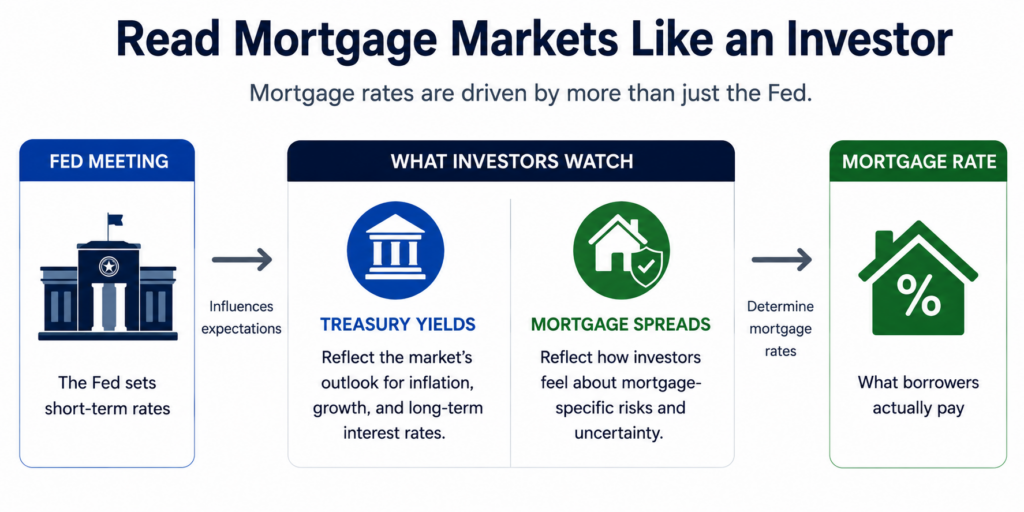
    The Fed matters, but not because it directly determines the rate on a 30-year mortgage. It matters because investors use Fed decisions to update their expectations about inflation, economic growth, and future risk. Those expectations influence the bond market, and the bond market is where mortgage rates are ultimately priced.

    Understanding that distinction can completely change how you interpret mortgage news.

    The Fed Controls One Rate. Mortgage Investors Care About Many Others.

    When investors buy mortgage-backed securities (MBS), they are committing capital for years, not days.

    As a result, they focus less on the Fed’s current target rate and more on the broader economic outlook. They want to understand where inflation is headed, whether economic growth is likely to slow, how refinancing activity may change, and how much risk they should be compensated for taking.

    Those long-term expectations have a much greater influence on mortgage pricing than the federal funds rate itself.

    That is why mortgage rates sometimes move before a Fed meeting, sometimes after it, and occasionally in the opposite direction many buyers expect.

    The market is not simply reacting to today’s rate decision. It is reacting to what that decision signals about the future.

    What Investors Are Really Listening for During a Fed Meeting

    federal-reserve

    Most buyers focus on the announcement itself. Bond investors, however, are often more interested in the message behind it.

    For example, imagine the Fed cuts rates by 0.25%. At first glance, that sounds positive for mortgage rates. But investors immediately ask a second question:

    Why did the Fed cut?

    If investors believe inflation is cooling and the economy is moving toward a stable landing, they may become more comfortable buying long-term bonds. Treasury yields may fall, mortgage spreads may tighten, and mortgage rates may decline.

    But if investors believe the Fed is cutting because economic conditions are deteriorating faster than expected, the reaction can be very different. Uncertainty rises. Volatility increases. Investors may demand more compensation for risk.

    Mortgage rates may not fall as much as expected.

    The same Fed decision can produce different mortgage outcomes because mortgage markets are pricing future expectations, not simply today’s announcement.

    That is why experienced market participants often pay more attention to the Fed’s projections, press conference, and economic outlook than to the rate change itself.

    Why Mortgage Rates Follow the 10-Year Treasury

    Most buyers eventually hear that mortgage rates tend to move with the 10-year Treasury yield.

    At first, that may seem counterintuitive. After all, a traditional mortgage can last up to 30 years, so why would investors compare it to a 10-year bond?

    The answer lies in how mortgages behave in the real world. Most borrowers do not keep the same mortgage for three decades. They move, refinance, or sell their homes long before the loan reaches maturity.

    As a result, investors often view mortgages as assets with an effective lifespan closer to seven to ten years. That makes the 10-year Treasury a useful benchmark for pricing mortgage debt.

    As of June 5, 2026, Freddie Mac’s Primary Mortgage Market Survey (PMMS) reported the average 30-year fixed-rate mortgage at 6.48%. During roughly the same period, the 10-year Treasury yield traded near 4.5%.

    While those figures move in the same general direction over time, they are rarely identical. Understanding what creates the gap between them is one of the most important concepts in mortgage pricing.

    The Metric Most Buyers Never Watch: Mortgage Spreads

    The difference between mortgage rates and Treasury yields is known as the spread.

    In simplified terms:

    Mortgage Rate − 10-Year Treasury Yield = Mortgage Spread

    Using the figures above:

    • Mortgage rate: 6.48%
    • Treasury yield: 4.50%

    Spread ≈ 1.98%

    Many buyers stop there.

    But the spread is more than a math exercise. It is one of the clearest windows into how investors feel about mortgage risk.

    A wider spread often means investors want additional compensation for uncertainty.

    That uncertainty may include:

    • Interest rate volatility
    • Refinancing behavior
    • Liquidity conditions
    • Demand for mortgage-backed securities

    In other words:

    A mortgage rate is not just the cost of money.

    It is also the price of uncertainty.

    This is why two periods with similar Treasury yields can produce very different mortgage rates.

    The missing variable is often the spread.

    A Framework for Reading Mortgage Markets Like an Investor

    Instead of asking whether the Fed raised or cut rates, try asking two different questions.

    Lens 1: What happened to Treasury yields?

    Treasury yields reflect the market’s outlook for inflation, growth, and long-term interest rates.

    Lens 2: What happened to mortgage spreads?

    Mortgage spreads reflect how investors feel about mortgage-specific risks and uncertainty.

    Together, these two lenses provide a more useful framework than Fed headlines alone.

    Treasury Yield Mortgage Spread Likely Mortgage Impact
    Down Down Strongly favorable
    Down Up Mixed outcome
    Up Down Mixed outcome
    Up Up Less favorable

    Consider a simple example.

    Assume:

    • 10-year Treasury = 4.50%
    • Mortgage spread = 2.00%

    Mortgage rate ≈ 6.50%

    Now assume the Treasury yield stays exactly the same, but investor confidence improves and the spread narrows to 1.50%.

    Mortgage rate becomes:

    4.50% + 1.50% = 6.00%

    Mortgage rates fall by approximately 0.50% even though the Fed did nothing and Treasury yields did not move.

    That is the kind of market dynamic many buyers miss when they focus exclusively on Fed meetings.

    Infographic showing how Fed meetings influence investor expectations, Treasury yields, mortgage spreads, and ultimately mortgage rates.

    The Better Way to Interpret Fed News

    Fed meetings deserve attention, but they should be viewed as signals rather than direct pricing events.

    While the Fed influences the broader economic outlook, mortgage rates are ultimately shaped by how investors interpret inflation, growth, and risk.

    That is why mortgage rates sometimes move with Fed decisions, sometimes ignore them, and sometimes appear to react in unexpected ways.

    The next time a Fed meeting dominates the headlines, look beyond the rate announcement itself. Watch Treasury yields. Watch mortgage spreads.

    Because the most important mortgage story is rarely what the Fed did. It is how the bond market interpreted what the Fed said.


    FAQs

    Does the Fed Directly Set Mortgage Rates?

    No. The Federal Reserve sets the federal funds rate, which influences short-term borrowing costs. Mortgage rates are primarily determined by bond markets, investor expectations, Treasury yields, and mortgage-backed securities. This is why mortgage rates can move independently of Fed rate decisions.

    Why Do Mortgage Rates Change After Fed Meetings?

    Mortgage rates often change after Fed meetings because investors reassess expectations for inflation, economic growth, and future interest rates. The market reaction to the Fed’s outlook can have a greater impact on mortgage rates than the actual rate decision itself.

    What Affects Mortgage Rates the Most?

    Several factors influence mortgage rates, including Treasury yields, inflation expectations, mortgage spreads, and investor demand for mortgage-backed securities. While Fed policy plays a role, long-term market expectations are often more important than a single Fed meeting.

    Why Do Mortgage Rates Follow the 10-Year Treasury?

    Mortgage rates tend to move with the 10-year Treasury yield because most mortgages are paid off, refinanced, or sold long before 30 years pass. As a result, investors often use the 10-year Treasury as a benchmark when pricing mortgage-backed securities.

    Should You Wait for a Fed Rate Cut Before Buying a Home?

    Not necessarily. A Fed rate cut does not guarantee lower mortgage rates. In some cases, mortgage rates may already reflect expected Fed actions before the announcement occurs. Buyers should evaluate affordability, market conditions, and personal financial readiness rather than relying solely on Fed meetings.


    Wonder Rates NMLS #1518655. Equal Housing Lender.

    For educational purposes only. Not a commitment to lend. Rates and terms subject to change. Mortgage rates and APRs vary by borrower profile, loan type, lender pricing, and market conditions. For information specific to your situation, consult a licensed Loan Officer.

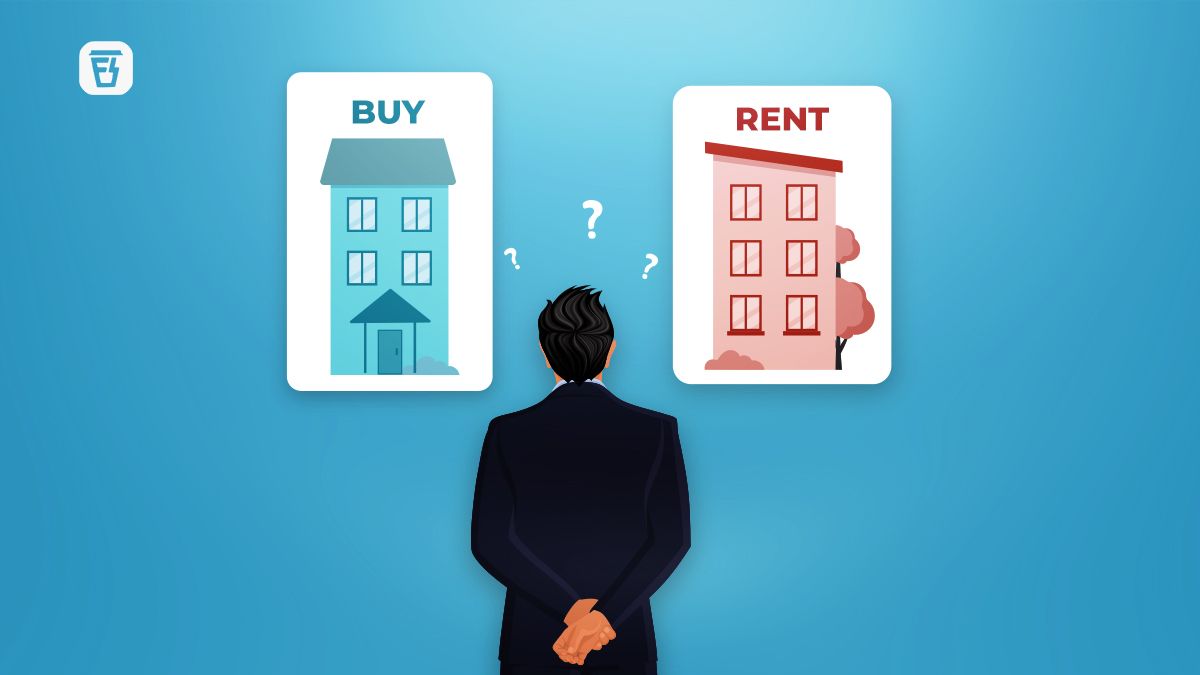
  • Buy or rent: Không phải ai cũng nên mua nhà ngay bây giờ

    Buy or rent: Không phải ai cũng nên mua nhà ngay bây giờ

    buy-or-rent
    Buy or rent: Không phải ai cũng nên mua nhà ngay bây giờ

    “Mua nhà càng sớm càng tốt” là lời khuyên rất phổ biến trong cộng đồng người Việt tại Mỹ. Nhiều người tin rằng chỉ cần sở hữu một căn nhà thì sớm muộn gì cũng sẽ giàu lên.

    Nhưng thực tế không đơn giản như vậy.

    Có những người mua quá sớm và phải bán nhà chỉ sau hai năm vì chuyển việc. Có người mua với khoản thanh toán hàng tháng vượt quá khả năng chi trả và trở nên căng thẳng tài chính. Ngược lại, cũng có những người tiếp tục thuê nhà quá lâu và bỏ lỡ cơ hội xây dựng tài sản thông qua equity.

    Câu hỏi đúng không phải là: Giá nhà có tăng không?

    Mà là: Bạn đã ở đúng thời điểm để mua nhà chưa?

    Wonder Rates NMLS #1518655 , Duc Pham | NMLS#844897

    Buy or rent: Mua nhà mang lại điều gì?

    Mua nhà không chỉ là có một nơi để ở. Đối với nhiều gia đình tại Mỹ, đây còn là một công cụ xây dựng tài sản dài hạn.

    Mỗi khoản thanh toán mortgage hàng tháng thường bao gồm hai phần:

    • Tiền lãi trả cho ngân hàng.
    • Tiền gốc giúp bạn xây dựng equity, tức phần sở hữu của chính bạn trong căn nhà.

    Theo thời gian, khi dư nợ giảm xuống và giá trị căn nhà tăng lên, tài sản ròng của bạn cũng tăng theo.

    buy-or-rent
    Buy or rent: Mua nhà mang lại điều gì?

    Theo dữ liệu từ Federal Reserve, giá trị tài sản ròng trung vị của các hộ gia đình sở hữu nhà cao gấp hàng chục lần so với người thuê nhà. Đây là một trong những lý do homeownership vẫn được xem là công cụ xây dựng sự giàu có quan trọng tại Mỹ.

    Ngoài yếu tố tài chính, sở hữu nhà còn mang lại:

    • Sự ổn định về nơi ở.
    • Khả năng cải tạo và sử dụng căn nhà theo ý muốn.
    • Ít chịu ảnh hưởng từ việc tăng tiền thuê mỗi năm.
    • Một tài sản có thể để lại cho thế hệ sau.

    Theo báo…, giá nhà tại Mỹ đã tăng đáng kể trong dài hạn, dù vẫn có những giai đoạn điều chỉnh.

    Tuy nhiên, điều đó không có nghĩa mua nhà luôn là lựa chọn đúng.

    Thuê nhà không phải là “ném tiền qua cửa sổ”

    Nhiều người xem tiền thuê nhà là khoản chi hoàn toàn mất đi. Nhưng khi thuê nhà, bạn đang mua những thứ mà nhiều người không nhận ra.

    Bạn đang mua:

    • Sự linh hoạt.
    • Chi phí bảo trì thấp.
    • Khả năng chuyển nơi ở dễ dàng.
    • Ít rủi ro hơn khi thị trường bất động sản đi xuống.

    Ví dụ, nếu bạn có khả năng chuyển công việc trong vòng hai năm tới, việc mua nhà có thể khiến bạn phải chịu thêm:

    buy-or-rent
    Thuê nhà không phải là “ném tiền qua cửa sổ”
    • Closing costs.
    • Hoa hồng môi giới.
    • Chi phí sửa chữa trước khi bán.
    • Thuế và các khoản phí giao dịch khác.

    Trong trường hợp này, tiếp tục thuê nhà có thể là lựa chọn tài chính tốt hơn.

    Ngoài ra, trong một số giai đoạn lãi suất mortgage tăng cao, chi phí sở hữu nhà mỗi tháng có thể cao hơn đáng kể so với tiền thuê một căn tương đương. Đó là lý do nhiều chuyên gia tài chính không xem việc thuê nhà là thất bại mà là một chiến lược phù hợp với từng giai đoạn cuộc sống.

    Hãy làm một bài toán đơn giản

    Giả sử bạn đang thuê một căn nhà với giá 2.300 USD mỗi tháng.

    Bạn cũng đang cân nhắc mua một căn nhà trị giá 450.000 USD với:

    • Down payment: 10%.
    • Lãi suất: 6,5%.
    • Property tax và insurance: khoảng 700 USD mỗi tháng.

    Khoản thanh toán mortgage ước tính của bạn có thể vào khoảng 3.200 USD mỗi tháng.

    Như vậy, chênh lệch giữa mua và thuê là khoảng:

    3.200 USD – 2.300 USD = 900 USD mỗi tháng.

    Nếu bạn chỉ dự định ở trong căn nhà hai hoặc ba năm, khoản chênh lệch này có thể lớn hơn lợi ích mà bạn nhận được từ việc xây dựng equity.

    Ngược lại, nếu bạn dự định ở trong căn nhà từ bảy đến mười năm, việc tăng giá trị bất động sản và tích lũy equity có thể bù đắp phần chi phí ban đầu.

    Câu hỏi quan trọng nhất: Bạn sẽ ở đó bao lâu?

    Thời gian dự định sống trong căn nhà là một trong những yếu tố quan trọng nhất của bài toán buy or rent.

    Một quy tắc phổ biến là:

    • Dưới 3 năm: thuê nhà thường là lựa chọn an toàn hơn.
    • Từ 5 năm trở lên: mua nhà có thể bắt đầu mang lại lợi ích tài chính đáng kể.

    Lý do là chi phí mua nhà không chỉ bao gồm tiền trả mortgage.

    Bạn còn có:

    • Closing costs.
    • Thuế bất động sản.
    • Bảo hiểm nhà.
    • Chi phí sửa chữa và bảo trì.

    Những chi phí này cần thời gian đủ dài để được bù đắp bởi việc tăng equity và tăng giá trị bất động sản.

    buy-or-rent
    Câu hỏi quan trọng nhất: Bạn sẽ ở đó bao lâu?

    Bạn đã sẵn sàng về tài chính chưa?

    Trước khi mua nhà, hãy tự hỏi bốn câu hỏi sau.

    Bạn có quỹ dự phòng không?

    Sở hữu nhà luôn đi kèm những chi phí bất ngờ. Máy lạnh hỏng, mái nhà cần sửa hoặc hệ thống nước gặp vấn đề đều có thể phát sinh chi phí lớn. Nhiều chuyên gia khuyên nên có quỹ dự phòng đủ chi trả từ ba đến sáu tháng chi phí sinh hoạt.

    Bạn có kế hoạch ở lại khu vực đó ít nhất vài năm không?

    Nếu câu trả lời là không, việc mua nhà có thể tạo thêm áp lực thay vì mang lại lợi ích.

    Khoản thanh toán hàng tháng có phù hợp ngân sách không?

    Một khoản mortgage quá lớn có thể ảnh hưởng đến:

    • Khả năng tiết kiệm.
    • Kế hoạch nghỉ hưu.
    • Quỹ học đại học cho con.
    • Các mục tiêu tài chính khác.

    Một nguyên tắc phổ biến là tổng chi phí nhà ở không nên khiến bạn cảm thấy “house poor”, tức sở hữu nhà nhưng không còn đủ dòng tiền cho những mục tiêu tài chính khác.

    Bạn mua vì nhu cầu hay vì ‘’fomo’’?

    Nhiều người mua nhà chỉ vì sợ giá sẽ tiếp tục tăng hoặc vì thấy bạn bè xung quanh đều đang mua.

    Ra quyết định tài chính dựa trên nỗi sợ thường không phải là chiến lược tốt.

    Một bài toán khác đáng suy nghĩ

    Giả sử bạn tiếp tục thuê nhà và tiết kiệm được 900 USD mỗi tháng thay vì mua nhà.

    Nếu số tiền này được đầu tư với mức lợi nhuận trung bình 7% mỗi năm, sau 10 năm bạn có thể tích lũy được hơn 150.000 USD.

    Điều này không có nghĩa thuê nhà luôn tốt hơn mua nhà. Nó chỉ cho thấy rằng việc xây dựng tài sản có thể đến từ nhiều con đường khác nhau.

    Không có câu trả lời đúng cho tất cả mọi người

    Có người xây dựng tài sản hiệu quả nhờ sở hữu nhà.

    Cũng có người đạt tự do tài chính bằng cách tiếp tục thuê nhà và đầu tư phần tiền chênh lệch vào các tài sản khác.

    Quyết định buy or rent phụ thuộc vào:

    • Mức thu nhập.
    • Khoản tiền dành cho down payment.
    • Kế hoạch nghề nghiệp.
    • Mục tiêu gia đình.
    • Khả năng chấp nhận rủi ro.

    Thay vì hỏi:

    “Người khác đang mua nhà, tôi có nên mua không?”

    Hãy hỏi:

    “Việc mua nhà hôm nay có giúp tôi tiến gần hơn đến mục tiêu tài chính của mình hay không?”

    Đó mới là câu hỏi quan trọng nhất.

    Kết luận

    Mua nhà là một quyết định lớn, nhưng không phải là cuộc đua.

    Nếu bạn có thu nhập ổn định, quỹ dự phòng tốt và dự định ở lại một nơi trong nhiều năm, việc mua nhà có thể là một bước quan trọng để xây dựng tài sản dài hạn.

    Ngược lại, nếu cuộc sống và công việc của bạn vẫn còn nhiều thay đổi, tiếp tục thuê nhà và chuẩn bị tài chính tốt hơn cũng là một quyết định hoàn toàn hợp lý.

    Tuyên bố miễn trừ trách nhiệm: Duc Pham | NMLS#844897] | Wonder Rates NMLS #1518655

    Bài viết chỉ nhằm mục đích cung cấp thông tin và không phải cam kết cho vay, không phải tư vấn tài chính. Việc phê duyệt khoản vay phụ thuộc vào hồ sơ tín dụng và điều kiện chương trình vay. Equal Housing Lender.

  • The Truth About Loan Officers: They’re Not Salespeople.

    The Truth About Loan Officers: They’re Not Salespeople.

    Loan officers are often mistaken for salespeople. It is an easy assumption to make when the first thing you hear is a rate quote. But that view misses most of what actually determines whether your loan gets approved or falls apart.

    1. The Reality Behind the “Rate Quote”

    You ask about rates, and your loan officer says something like: “Based on your profile, rates today are around 6.5%, but I cannot promise that until we lock it in writing, since things change daily.”

    That can sound unclear. It is not.

    Under federal rules, a loan officer cannot present a rate like a fixed price tag. Rates move daily with the market, and your final number depends on your full file, the appraisal, and when you lock. A good loan officer is not selling certainty. They are managing your expectations within the law.

    2. Who a Loan Officer Is and Is Not

    A loan officer, officially called a Mortgage Loan Originator, is your bridge to the lender. They guide you from your first question all the way to closing day, translating your financial life into something a lender can evaluate.

    But they are not the decision-makers. They are not the underwriter who approves or denies your loan, and they are not the appraiser who determines the home’s value. They are also not your real estate agent. Their role is narrower and more technical.

    Their job is simple to describe, but hard to execute: build a file that gets approved.

    3. Perception vs. Reality

    Loan officer infographic illustrating the difference between visible tasks and behind-the-scenes mortgage approval work.

    From the outside, the job looks simple. A few emails, some calls, maybe a couple of rate quotes.

    That is about 20% of it.

    The other 80% happens where you never see it. Your loan officer spends hours fixing documentation issues, aligning your file with federal guidelines, and keeping the deal alive as conditions change. If the loan does not close, they usually do not get paid, which means weeks of work can end with nothing.

    4. Income Reality: How They Actually Get Paid

    Loan officers are typically paid in basis points, not by interest rate. One hundred basis points equals 1% of the loan amount.

    For example, on a $400,000 loan, 100 BPS equals $4,000, while 50 BPS equals $2,000. Per industry survey, many retail loan officers earn roughly 90 to 105 BPS per funded loan, depending on experience and volume.

    Here is the key detail that most buyers miss.

    They are not paid more for giving you a higher rate.

    Under Regulation Z, compensation cannot be tied to loan terms like the interest rate. It can be tied to the loan amount or overall production. This rule exists to prevent steering you into a worse deal for higher pay.

    5. What Loan Officers Actually Do

    The work usually breaks into two layers.

    The first is what you see. This is the advisory side, where they compare loan options like Conventional, FHA, or VA based on your profile. They calculate your full monthly payment using PITI, including principal, interest, taxes, and insurance. They also move you from a rough estimate to a verified pre-approval, which strengthens your offer. If you’re buying a home for the first time, understanding where pre-approval fits into the home buying process can help you avoid delays later.

    The second layer is where most of the real work happens. They analyze your income, especially if it is variable or self-employed, and track key ratios like DTI and LTV to keep your file within approval limits. They respond to underwriter conditions, which often require updated documents like bank statements, pay stubs, or tax returns.

    A file can look strong at first glance and still fail if these details are not handled correctly.

    6. Constraints and Pressure

    Loan officers operate under strict regulatory timelines and rules. Under TRID guidelines, they must provide a Loan Estimate within three business days after your application. They cannot promise rates verbally, and they cannot guide you into a loan that benefits them more than you.

    They also cannot receive compensation from both you and the lender on the same transaction. Every step is monitored to protect you as a consumer, which adds pressure behind the scenes that most borrowers never notice.

    7. A Day in the Life

    To understand the role, it helps to look at a typical day.

    The morning often starts with checking rate sheets and pipeline updates. By mid-morning, they are calling clients and collecting missing documents. Late morning is spent running pre-approvals and calculating ratios, followed by coordinating with referral partners in the early afternoon.

    The rest of the day is usually consumed by handling underwriter conditions and coordinating closing details with title and escrow.

    Most of the day is not selling. It is problem-solving.

    8. Key Insight

    Approval is not luck. It is structure.

    A loan gets approved because hundreds of small requirements are met at the same time, from income documentation to timing rules. When your process feels smooth, it usually means problems were solved before you ever saw them.

    9. How to Verify Your Loan Officer

    Every licensed loan officer in the United States has an NMLS ID, and you can verify it in less than a minute.

    Go to https://nmlsconsumeraccess.org and search their name or NMLS number.

    Check three things:

    • The license status is active
    • They are authorized to operate in your state
    • There are no serious disciplinary actions

    If anything looks unclear, ask questions before moving forward.

    10. Conclusion

    Infographic comparing a salesperson and a loan officer, highlighting the broader responsibilities involved in guiding a mortgage loan to approval and closing.

    A loan officer is not just a salesperson. They are part analyst, part project manager, and part compliance guard.

    The rate may get your attention, but the real value is invisible. It shows up in how your file is structured, how problems are solved, and how regulations are navigated to get you to closing.

    That is what gets you the keys.

    FAQs

    Do loan officers set mortgage interest rates?

    No. Mortgage rates are influenced by the market and your financial profile. A loan officer can quote an estimated rate based on current conditions, but the final rate is only confirmed when it is locked in writing with the lender.

    Do loan officers earn more if you get a higher rate?

    No. Under federal law, loan officer compensation cannot be tied to the interest rate or loan terms. They are typically paid based on the loan amount or overall production, not the rate you receive.

    What does a loan officer actually do behind the scenes?

    Most of their work involves reviewing documents, calculating ratios, responding to underwriter conditions, and making sure your file meets lending guidelines. This behind-the-scenes work is what keeps your loan on track to close.

    How can you verify a loan officer is legitimate?

    You can check their NMLS ID on the official NMLS Consumer Access website. This lets you confirm their license status, the states they are authorized in, and whether they have any disciplinary history.

    Is a loan officer the same as a mortgage broker?

    Not always. A loan officer typically works for a specific lender, while a mortgage broker may work with multiple lenders. However, both must follow the same federal rules regarding disclosure, compensation, and consumer protection.


    Wonder Rates NMLS # 1518655

    Equal Housing Lender

    Disclaimer: This information is for educational purposes only and is not a commitment to lend.

  • What Is a Mortgage? How Home Loans Work for First-Time Buyers

    What Is a Mortgage? How Home Loans Work for First-Time Buyers

    What is a mortgage? Many first-time homebuyers ask this question when they begin exploring financing options.

    Buying a home feels exciting until the financing part starts sounding confusing.

    You hear terms like interest rate, escrow, PMI, or DTI, and suddenly you’re not sure what you’re agreeing to. Most first-time buyers reach this point.

    The good news is that mortgages are easier to understand once you break them into smaller pieces. This guide explains how mortgages work, what makes up your monthly payment, and what lenders look for when reviewing your application.

    If you’re planning to buy a home soon, it also helps to understand the overall home buying process before applying for a mortgage.


    What Is a Mortgage and How Does It Work?

    A mortgage is a loan used to purchase a home. You borrow money from a lender and agree to repay it over time, usually with interest.

    The property serves as collateral for the loan. If payments stop for an extended period, the lender may have the legal right to take ownership of the property through foreclosure.

    Most mortgages have repayment terms of 15 or 30 years.

    A 15-year mortgage typically comes with higher monthly payments but lower total interest costs. A 30-year mortgage spreads payments over a longer period, reducing monthly payments while increasing the total interest paid over the life of the loan.

    For example, borrowing $320,000 at a 6.5% interest rate on a 30-year mortgage produces a lower monthly payment than a 15-year mortgage, but the overall interest expense is significantly higher.

    Once the loan is paid in full, the lender’s claim on the property is removed, and you own the home free and clear.


    What Is Included in a Mortgage Payment? (PITI)

    Your monthly mortgage payment is commonly referred to as PITI, which stands for:

    The four PITI components of a mortgage home loan: Principal, Interest, Taxes, and Insurance.

    Principal

    The portion of your payment that reduces your loan balance.

    Interest

    The cost of borrowing money from the lender.

    For example, a $320,000 mortgage at 6.5% generates a principal and interest payment of approximately $2,020 per month.

    Taxes

    Property taxes are often divided into monthly installments and collected with your mortgage payment.

    Insurance

    Homeowners insurance protects the property and is typically required by lenders.

    Example Mortgage Payment

    Home Price: $400,000

    Down Payment: 20%

    Loan Amount: $320,000

    Estimated Monthly Payment

    • Principal & Interest: $2,020
    • Property Taxes: $367
    • Homeowners Insurance: $125

    Total Estimated Payment: $2,512 per month


    Additional Costs in a Mortgage Payment

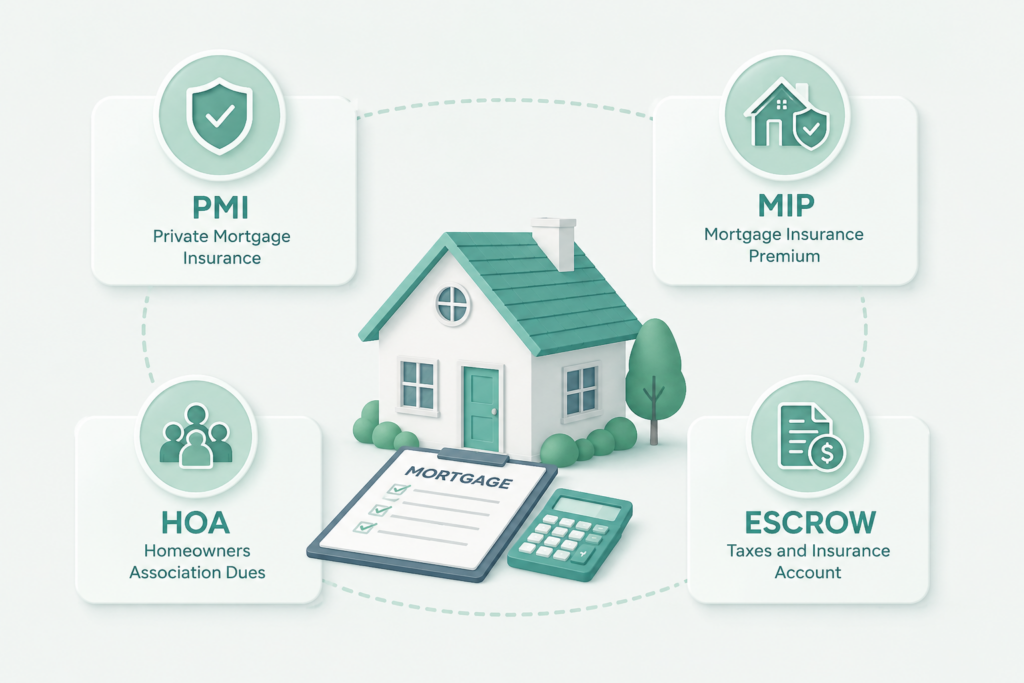
    Depending on your loan type and financial situation, additional expenses may be included in your monthly payment.

    Illustration of additional mortgage costs including PMI, MIP, HOA fees, and escrow accounts.

    PMI (Private Mortgage Insurance)

    PMI applies to many conventional loans when the down payment is less than 20%.

    It protects the lender, not the borrower.

    In many cases, PMI can be removed once the loan-to-value ratio reaches 80%.

    MIP (Mortgage Insurance Premium)

    MIP applies to FHA loans.

    Unlike PMI, MIP often remains for the life of the loan unless the borrower refinances into another mortgage program.

    HOA Dues

    Some properties located in planned communities or condominiums require monthly homeowners association fees.

    Escrow Account

    Many lenders collect money for taxes and insurance through an escrow account and pay those bills on your behalf when they become due.


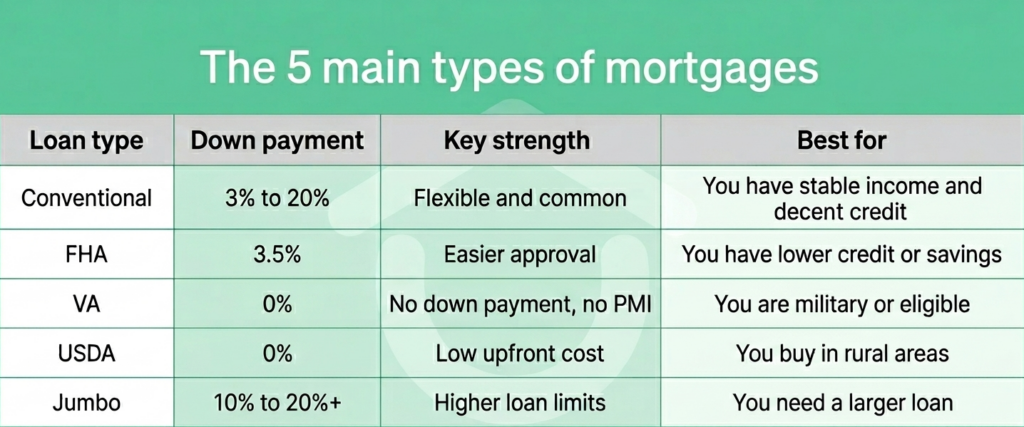
    The 5 main types of mortgages

    Mortgage loan type guide comparing down payments and benefits of Conventional, FHA, VA, USDA, and Jumbo loans for first-time buyers.

    Each mortgage program serves a different purpose.

    For example, FHA loans may be easier to qualify for, while VA loans provide significant benefits for eligible service members and veterans.


    Fixed-Rate vs Adjustable-Rate Mortgages

    A fixed-rate mortgage keeps the same interest rate throughout the loan term.

    This means your principal and interest payment remains predictable.

    An adjustable-rate mortgage (ARM) begins with a fixed rate for a specific period and then adjusts periodically based on market conditions.

    For example, a 5/1 ARM maintains the same rate for five years before adjusting annually.

    Fixed-rate mortgages offer stability, while ARMs may provide lower initial rates in exchange for future uncertainty.


    Why Early Mortgage Payments Go Mostly to Interest

    Many first-time buyers are surprised to learn that early mortgage payments contain more interest than principal.

    This happens because interest is calculated based on the remaining loan balance.

    At the beginning of the loan, the balance is at its highest point, so more of each payment goes toward interest.

    As the balance gradually decreases, a larger portion of your payment goes toward reducing principal.

    This repayment structure is known as amortization.


    How to Qualify for a Mortgage

    Understanding how mortgages work is only the first step.

    Lenders also evaluate whether you are likely to repay the loan successfully.

    Credit Score

    Higher credit scores generally improve approval odds and may help borrowers qualify for lower interest rates.

    Debt-to-Income Ratio (DTI)

    DTI compares your monthly debt obligations to your monthly income.

    Lower ratios are typically viewed more favorably by lenders.

    Down Payment

    A larger down payment reduces risk and lowers the amount borrowed.

    Loan-to-Value Ratio (LTV)

    LTV measures the loan amount compared to the home’s value.

    Lower LTV ratios generally indicate lower risk.

    Common Documents Required

    • Proof of income
    • Tax returns
    • Bank statements
    • Government-issued identification

    Mortgage Pre-Qualification vs Pre-Approval

    Pre-qualification provides a basic estimate based on information supplied by the borrower.

    Pre-approval involves documentation review and a credit check.

    Because pre-approval verifies financial information, it generally carries more weight with sellers.

    In competitive housing markets, a pre-approval letter can strengthen your offer and improve your chances of securing a home.


    Mortgage FAQs

    What is a mortgage in simple terms?

    A mortgage is a loan used to purchase a home and repay it over time through monthly payments.

    Is a mortgage the same as a home loan?

    In most cases, the terms “mortgage” and “home loan” are used interchangeably.

    How much mortgage can I afford?

    The amount depends on your income, debts, credit score, down payment, and other financial factors.

    What credit score do I need for a mortgage?

    Requirements vary by lender and loan program, but many conventional mortgages prefer scores of 620 or higher. The Consumer Financial Protection Bureau provides additional resources to help first-time buyers understand mortgage requirements and prepare for the application process.


    Bottom Line

    A mortgage allows you to buy a home now and pay for it over time through structured monthly payments.

    Once you understand how mortgages work, comparing loan options, monthly costs, and qualification requirements becomes much easier.

    For many first-time buyers, the best next step is reviewing their credit profile and obtaining a mortgage pre-approval before beginning their home search. Understanding the role of a loan officer can also help you navigate the mortgage process more confidently.


    Ready to Take the First Step?

    Talk to a licensed loan officer and review your real numbers. Even a short conversation can help you understand what you can realistically afford and which mortgage options may fit your goals.


    Disclaimer

    Wonder Rates NMLS #1518655. Equal Housing Lender. This content is for informational purposes only and does not constitute financial, legal, or tax advice. Mortgage products, interest rates, and underwriting guidelines vary by lender and are subject to change without notice. This is not a commitment to lend. All loan applications are subject to credit and property approval.

  • The 10 Steps to Buying a Home in the US

    The 10 Steps to Buying a Home in the US

    Most buyers know they need a mortgage, but few understand what really happens between getting pre-approved and receiving the keys. Follow Wonder Rates to explore the 10 essential steps every homebuyer should know before closing.

    NMLS #1518655

    What Is the Homebuying Process? The 10 Steps to Buying a Home in the US

    The homebuying process is the series of steps that takes you from deciding to purchase a home to receiving the keys on closing day. While every transaction is unique, most buyers follow the same general path. Along the way, you’ll work with real estate agents, mortgage professionals, appraisers, inspectors, and title companies. Knowing what happens at each stage can help you stay organized and reduce stress throughout the journey.

    buying-a-home-in-the-us.
    What Is the Homebuying Process?

    How Long Does It Take to Buying a Home in the US?

    In the US, the homebuying process usually takes about 30–45 days from the time your offer is accepted until closing and you get the keys.

    But in real life, it can take longer depending on how fast you prepare and find a home. The process is usually split into 2 main phases:

    buying-a-home-in-the-us.webp2
    How Long Does It Take to Buying a Home in the US?

    1. Before making an offer (flexible time)

    This is the preparation stage:

    • You set your budget to see what you can really afford (not just the home price, but also taxes and insurance)
    • You get pre-approved by a lender to show you are qualified to buy
    • You start house hunting, visit homes, and pick the one you like

    2. After your offer is accepted (30–45 days)

    Once the seller accepts your offer, the home goes “under contract” and things move faster:

    • You put down earnest money into an escrow account
    • You do a home inspection to check the condition of the house
    • The lender does an appraisal to check the home’s value
    • Then comes underwriting, where the bank reviews your full loan file
    • Finally, closing: you sign the final papers, the loan is funded, and you get the keys

    What can slow things down?

    A few common delays include:

    • The home appraises lower than the purchase price
    • The bank asks for more documents
    • Paperwork processing takes longer than expected

    The 10 Steps to Buying a Home in the US

    Buying a home may seem complicated, but most transactions follow a predictable process. From determining your budget to signing the final paperwork, each step plays an important role in helping you become a homeowner. Here’s a quick overview of the 10 key steps you’ll typically go through when buying a home in the United States.

    buying-a-home-in-the-us
    The 10 Steps to Buying a Home in the US
    Step What Happens
    1. Determine Your Budget Review your income, savings, debts, and monthly expenses to understand how much home you can comfortably afford.
    2. Get Pre-Approved for a Mortgage A lender reviews your financial information and provides a pre-approval letter showing how much you may be eligible to borrow.
    3. Choose a Real Estate Agent An experienced agent helps you find homes, negotiate offers, and navigate the buying process.
    4. Start House Hunting Search for properties that fit your budget, preferred location, and lifestyle needs.
    5. Submit an Offer Work with your agent to prepare and submit a purchase offer to the seller.
    6. Open Escrow and Deposit Earnest Money Once your offer is accepted, you’ll deposit earnest money and open escrow to begin the transaction.
    7. Complete the Home Inspection A licensed inspector evaluates the property’s condition and identifies potential concerns.
    8. Complete the Appraisal The lender orders an appraisal to confirm the home’s market value.
    9. Go Through Underwriting The lender reviews your finances, documents, and property information before issuing final approval.
    10. Receive Clear to Close and Attend Closing Sign final documents, complete funding, and officially become a homeowner.

    Common Mistakes Homebuyers Should Avoid

    Even when people understand the overall homebuying process, a few common mistakes can create confusion, delays, or unexpected costs. Here are some of the most important ones to watch for:

    Forgetting Property Taxes and Insurance

    • Many buyers calculate affordability using only principal and interest.
    • Always use PITI (Principal, Interest, Taxes, and Insurance) to estimate your true monthly housing cost.

    Confusing Earnest Money with the Down Payment

    • Earnest money is a good-faith deposit submitted after an offer is accepted.
    • The down payment is the larger amount applied toward the home’s purchase price at closing.

    Mixing Up PMI and MIP

    • PMI applies to conventional loans with less than 20% down.
    • MIP applies to FHA loans.
    • These mortgage insurance programs are not interchangeable.

    Getting Inspection and Appraisal Out of Order

    • The buyer typically orders the home inspection first to identify property issues.
    • The lender then orders the appraisal to determine the home’s market value.

    Overlooking the Title Search

    • A title search helps uncover ownership disputes, liens, or legal claims against the property.
    • Skipping this step can lead to serious legal and financial problems.

    Misunderstanding Closing Documents

    • The buyer signs the Note and Mortgage documents.
    • The seller signs the Deed, which officially transfers ownership of the property.

    How to Take Action

    Start by reviewing your finances and understanding how much home you can realistically afford. Before you begin house hunting, obtain a mortgage pre-approval so you know your budget and can make stronger offers when you find the right property.

    It’s also important to work with trusted professionals throughout the process, including a knowledgeable real estate agent and a licensed loan officer. If you’re looking for guidance on mortgage options, loan requirements, and the homebuying process, consider partnering with a reputable mortgage company such as Wonder Rates. Having the right team by your side can help you navigate each step with confidence, avoid costly mistakes, and stay on track toward closing day.

    Keep your financial documents organized, respond quickly to lender requests, and don’t hesitate to ask questions along the way. Taking these steps early can make your homebuying journey smoother, faster, and less stressful.

    Bottom Line

    Buying a home involves multiple steps, but understanding the process can make it much less intimidating. By preparing early and working with the right professionals, you can move from house hunting to homeownership with confidence.

    Want help choosing the right loan? Talk to one of our licensed loan officers at ……

    Disclaimer: Wonder Rates NMLS #1518655 Equal Housing Lender. Information is provided for educational purposes only and is not a commitment to lend. Loan approval, rates, and terms are subject to lender review and applicable underwriting requirements.